



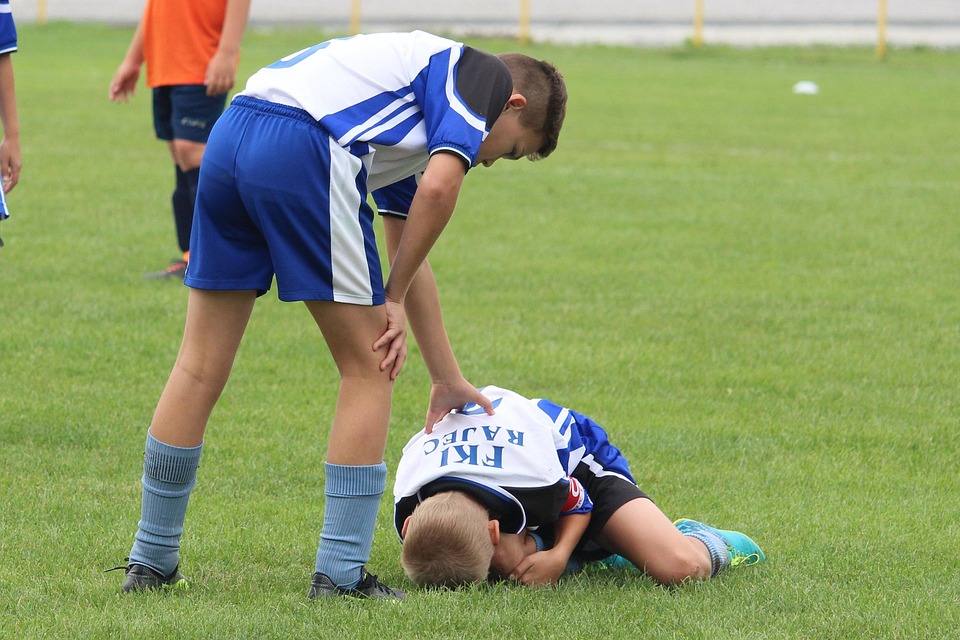
In the world of sports, injuries can be a significant setback, making it crucial to prioritize safety. Our comprehensive guide, “Stay in the Game: Top Tips for Preventing Sports Injuries,” provides you with essential strategies to keep yourself healthy and active. Whether you’re a professional athlete or a weekend warrior, understanding how to prevent injuries is vital for maintaining your performance and passion for sports.
Understanding Common Sports Injuries
Sports injuries can occur due to a variety of reasons, including improper training, lack of conditioning, or simply accidents during play. Common injuries include sprains, strains, fractures, and tendonitis. Understanding these injuries helps athletes recognize the importance of prevention methods tailored to their specific sports. For instance, a soccer player might be more prone to ankle sprains, while a runner might face issues with shin splints.
Education about common injuries is the first step toward prevention. Athletes should familiarize themselves with the signs and symptoms of potential injuries, enabling them to take proactive measures. Furthermore, having a basic understanding of anatomy and how different body parts are affected by various sports can empower athletes to make informed decisions about their training and health.
Importance of Proper Warm-Up and Cool Down
One of the most effective ways to prevent sports injuries is through proper warm-up and cool-down routines. Warming up prepares your body for the physical activity ahead by increasing blood flow to the muscles, improving flexibility, and reducing the risk of strains. A good warm-up should last at least 10-15 minutes and include dynamic stretches and sport-specific drills.
Similarly, cooling down after physical activity is equally important. This phase helps gradually lower your heart rate and stretch the muscles that were engaged during the game. Neglecting these crucial steps can lead to muscle tightness and increase the risk of injury. Consistently incorporating warm-up and cool-down routines into your training regimen will significantly enhance your performance and safety.
Strength Training and Conditioning
Strength training plays a pivotal role in injury prevention, as it helps build muscle strength, endurance, and stability. By focusing on key muscle groups relevant to your sport, you can create a robust foundation that supports your body during physical activity. For example, runners should emphasize leg strength, while swimmers might concentrate on upper body and core strength.
Additionally, conditioning exercises improve your overall fitness level, enhancing your ability to perform at a higher intensity without overexertion. Conditioning programs should include a mix of aerobic exercises, strength training, and flexibility work to ensure a well-rounded approach. Always consult a fitness professional to create a tailored program that considers your specific needs and goals.
Moreover, incorporating functional movements that mimic the demands of your sport can further enhance your strength training regimen. Exercises that simulate the actions you perform during your sport will prepare your body to handle the unique stresses of competition, thereby reducing your risk of injury.
Investing in the Right Gear
Wearing appropriate footwear and protective gear is essential for preventing sports injuries. Athletic shoes should provide adequate support and cushioning based on the specific demands of your sport. For instance, running shoes differ significantly from basketball or soccer shoes in design and functionality. Investing in quality footwear tailored to your activity can help prevent issues such as blisters, shin splints, and joint pain.
In addition to footwear, other protective gear such as helmets, pads, and mouthguards can significantly reduce the risk of serious injuries. Always ensure that your gear is in good condition and fits properly, as ill-fitting equipment can lead to discomfort and increased injury risk. Regularly inspect your gear and replace it when necessary to maintain optimal protection.
Listening to Your Body and Resting
One of the most crucial aspects of injury prevention is learning to listen to your body. Fatigue, pain, or discomfort should never be ignored, as these signals can indicate that your body needs a break. Overtraining is a common issue among athletes, leading to burnout and injuries. Incorporating rest days into your training schedule allows your body to recover and rebuild, ultimately enhancing performance.
Moreover, practicing mindfulness and being aware of your physical state can help prevent injuries. Recognizing when you’re pushing yourself too hard can help you make necessary adjustments to your training. This includes taking breaks when needed, varying your workouts, and allowing sufficient recovery time between intense sessions. Remember, rest is just as important as training for long-term success.
FAQs About Preventing Sports Injuries
1. What are the most common types of sports injuries?
The most common types of sports injuries include sprains, strains, fractures, tendonitis, and concussions. Each type varies in severity and requires different approaches for treatment and prevention.
2. How can I improve my flexibility to prevent injuries?
Improving flexibility can be achieved through regular stretching, yoga, and mobility exercises. Incorporating these practices into your warm-up and cool-down routines can enhance your overall flexibility and reduce the risk of injuries.
3. How do I know if I need to see a doctor for an injury?
If you experience severe pain, swelling, or difficulty moving a joint or muscle, it is advisable to seek medical attention. Additionally, persistent pain that does not improve with rest should also be evaluated by a healthcare professional.
4. Are there specific exercises to prevent sports injuries?
Yes, exercises focusing on strength, flexibility, and balance can help prevent sports injuries. Tailored workouts that include functional movements related to your sport can significantly enhance your body’s resilience to injury.
5. How important is hydration in preventing sports injuries?
Hydration is crucial for overall performance and injury prevention. Dehydration can lead to muscle cramps and fatigue, increasing the risk of injuries. Ensure you drink enough fluids before, during, and after physical activities.
