



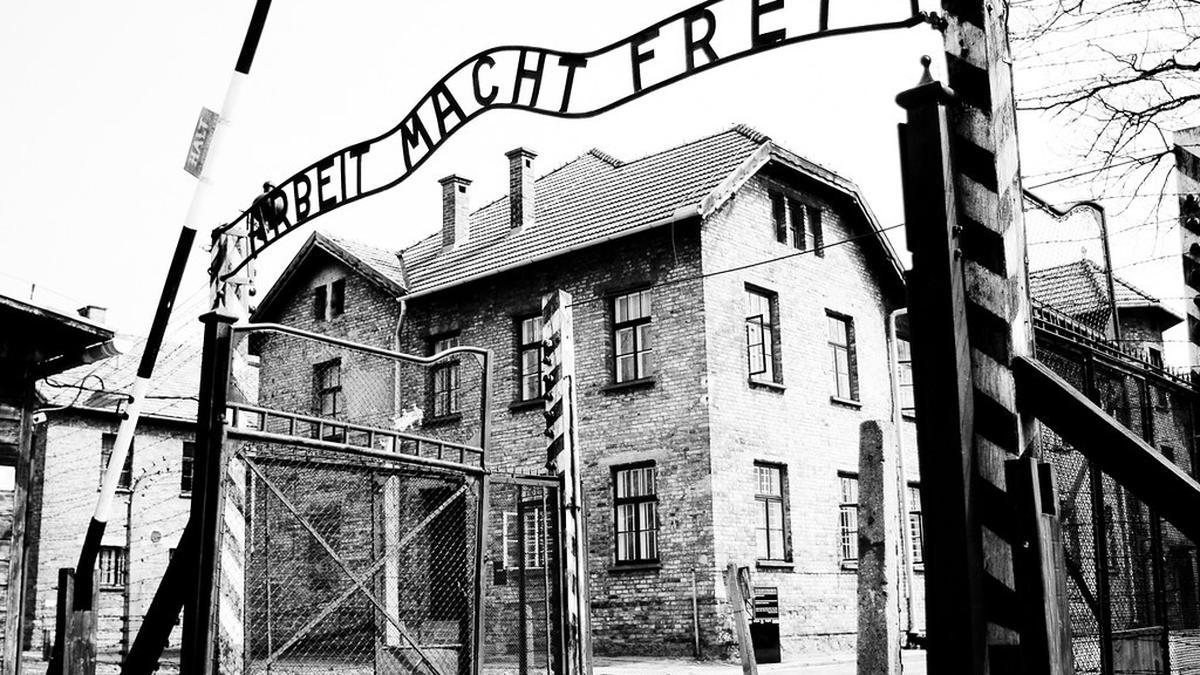
These destinations serve as silent witnesses to history’s darkest moments. If travelling back in time were possible, dark tourism would be that experience. It draws those who seek to explore the raw, unfiltered history of places where real events unfolded, forever etched in memory. These destinations invite us to confront the darker aspects of human history, to learn from the past, and to honour the memory of those who suffered.
Ethical considerations
While dark tourism can provide important educational experiences, it raises ethical concerns. Visitors must approach these sites with respect, avoiding actions that trivialise the tragedies. It’s essential to recognise the emotional weight of these places and remember that they are often memorials to those who suffered. Photography, especially in places like concentration camps or memorials, should be done mindfully, with permission where necessary, to avoid exploiting the site for casual tourism. Visitors are encouraged to learn, reflect, and honour the past, ensuring these experiences serve as a reminder of the importance of peace and humanity.
Hiroshima Peace Memorial Park (Japan)
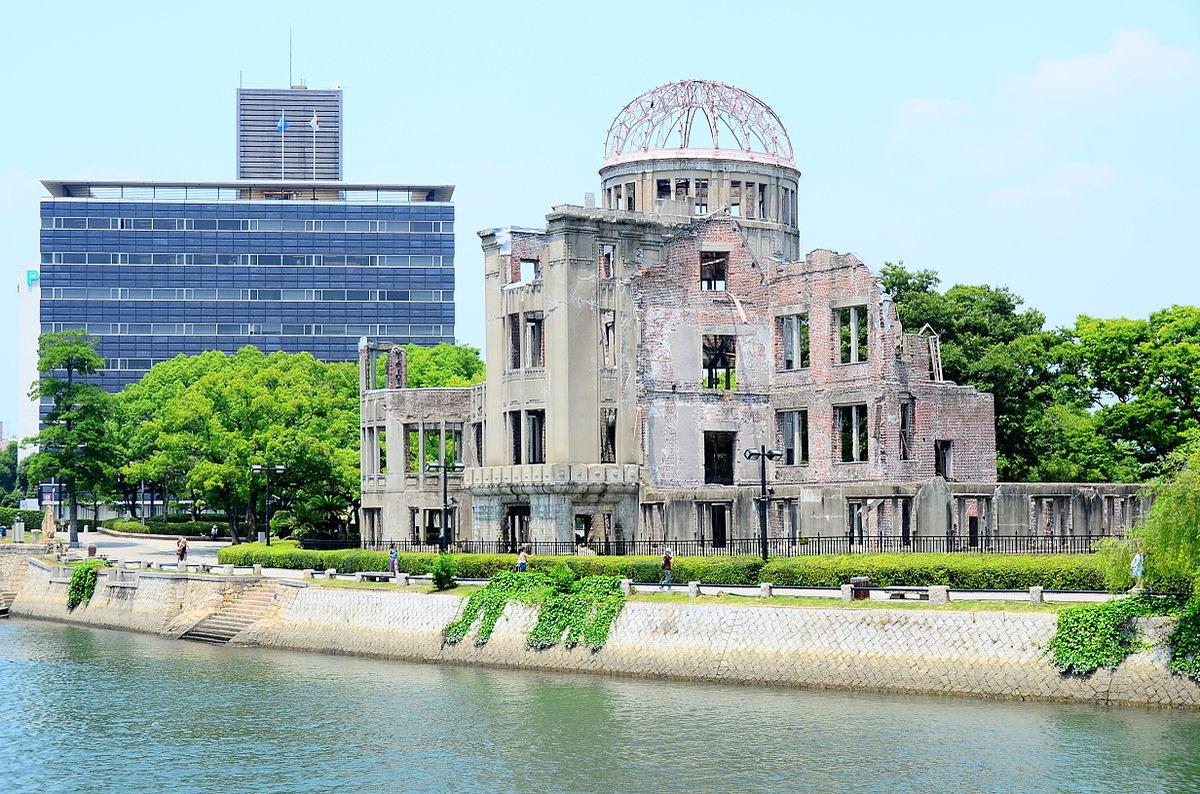
Ruin of Hiroshima Prefectural Industrial Promotion Hall
Imagine a city reduced to rubble in an instant. Such was the fate of Hiroshima on August 6, 1945, when the world’s first atomic bomb was detonated above it. The blast caused widespread devastation, claiming the lives of countless civilians and leaving a lasting scar on the city. Detonating approximately 600 metres above the city, the explosion caused immediate destruction and resulted in the deaths of over 1,40,000 people by the end of that year. Due to the blast, intense heat, and radiation sickness. The atomic bombing of Hiroshima had a profound impact on the course of World War II, ultimately leading to Japan’s surrender.
The Hiroshima Peace Memorial Park (in pic) now stands as a solemn tribute to the tragedy. It features the A-Bomb Dome, a partially intact structure that survived the explosion, and the Hiroshima Peace Memorial Museum, which provides a detailed account of the bombings impact. Every August 6th the park hosts a Peace Memorial Ceremony to honour the victims and advocate for global peace and nuclear disarmament.
Jallianwala Bagh, India
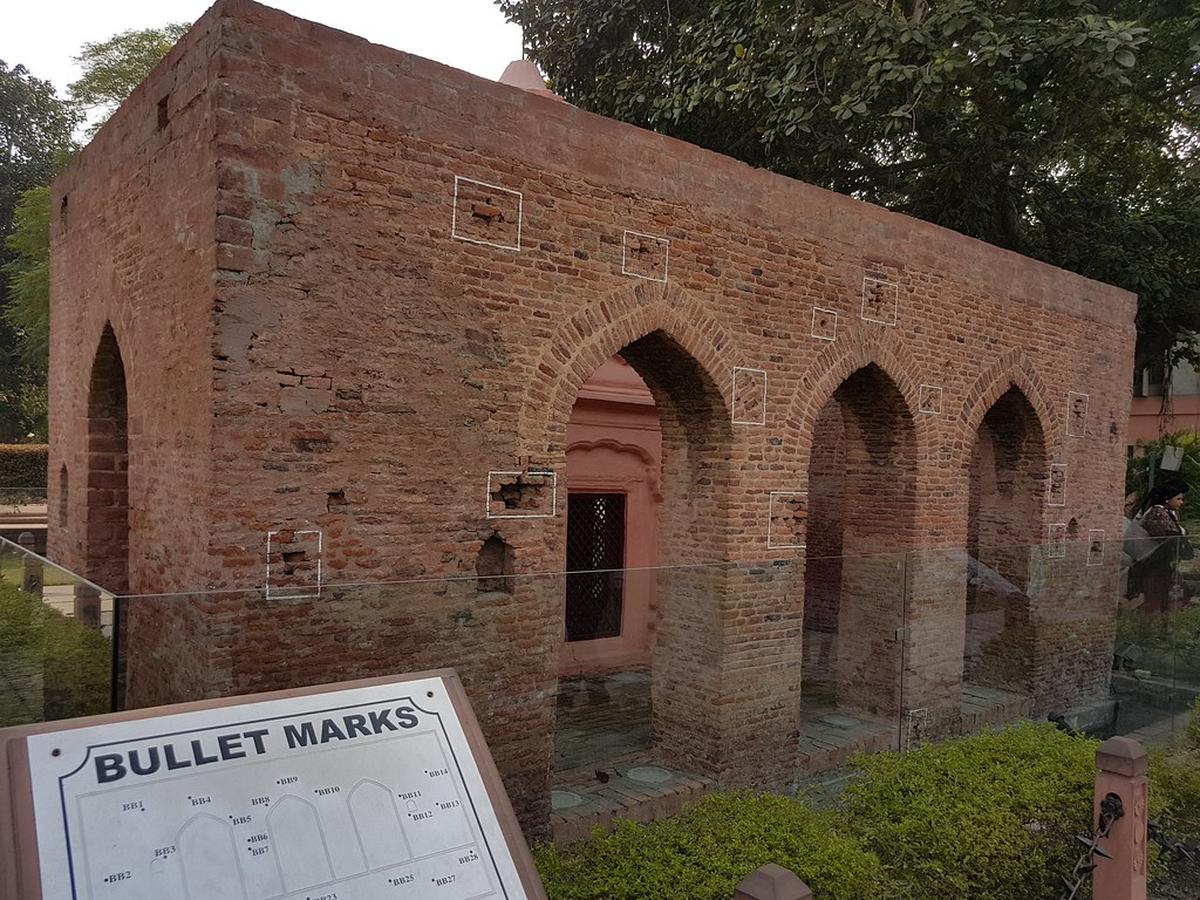
The Jallianwala Bagh massacre, which took place on April 13, 1919, remains one of the most tragic events in India’s colonial history. British troops, led by General Reginald Dyer, opened fire on a peaceful, unarmed crowd without any warning. Hundreds of civilians, including children were killed in the unprovoked attack, sparking a wave of outrage that fuelled India’s independence movement.
Today, Jallianwala Bagh stands as a memorial to those who lost their lives in the brutal attack. Visitors can walk through the site and witness the bullet-ridden walls that bear silent testimony to the horrors of that day. The well into which people leaped in a desperate attempt to avoid the gunfire is also a prominent feature, offering a haunting reminder of the massacre. The memorial serves as a place of reflection and remembrance, allowing people to pay homage to the victims while learning about this pivotal moment in India’s history.
Auschwitz-Birkenau: A Haunting Reminder of the Holocaust
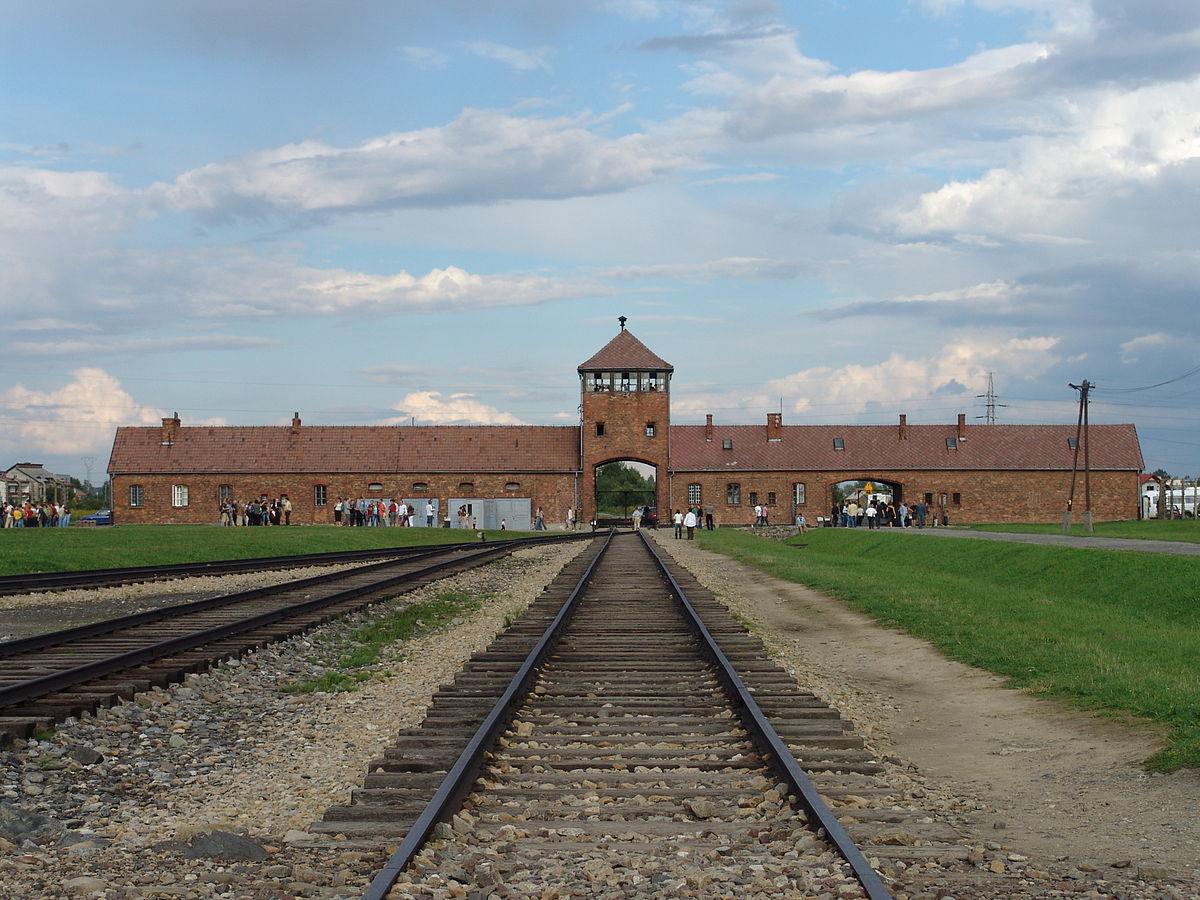
The gatehouse at the former German Nazi concentration camp of Auschwitz II (Birkenau), leading to the gas chambers. Note that this is inside the camp looking back from the loading ramp to the “Gate of Death”. The gatehouse was built in 1943 and the rail spur began operating in May 1944. Before then, deportees arrived at the old Judenrampe over two kilometres away and either walked or were taken in trucks to the gas chambers.
Visiting Auschwitz is an experience that defies words, a chilling journey into one of history’s darkest chapters. Imagine standing on the very grounds where unspeakable atrocities were committed under Adolf Hitler’s regime. The haunting reality of the gas chambers becomes palpable as you step into Auschwitz. Within these walls, decades ago, countless innocent people were confined and ultimately perished. It’s a solemn reminder of the depths of human cruelty and the enduring importance of remembrance.
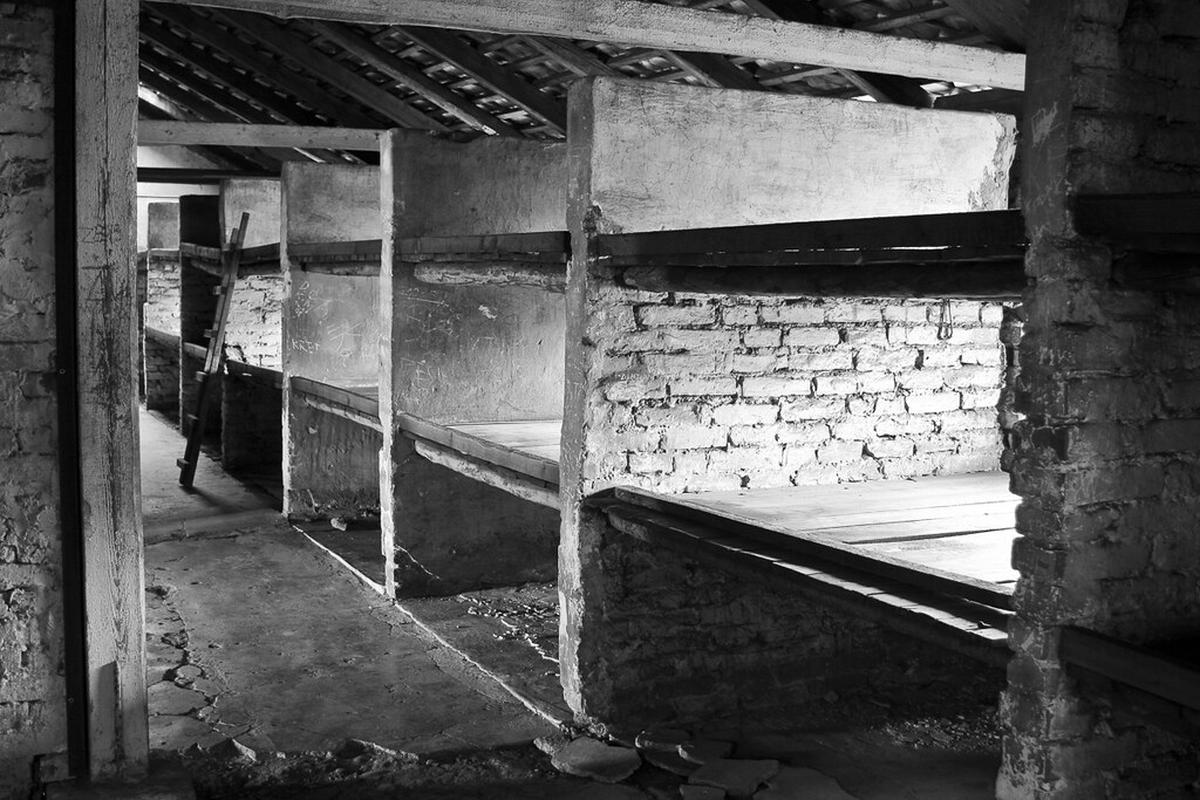
Auschwitz-Birkenau, Poland is a notorious Nazi concentration and extermination camp, standing as a harrowing testament to the horrors of the Holocaust. During World War II, this site was the scene of the systematic murder of over a million people, primarily Jews, who were subjected to inhumane conditions and extermination. The preserved barracks, gas chambers, and memorial sites offer a glimpse into the unimaginable suffering endured by those imprisoned and killed here.
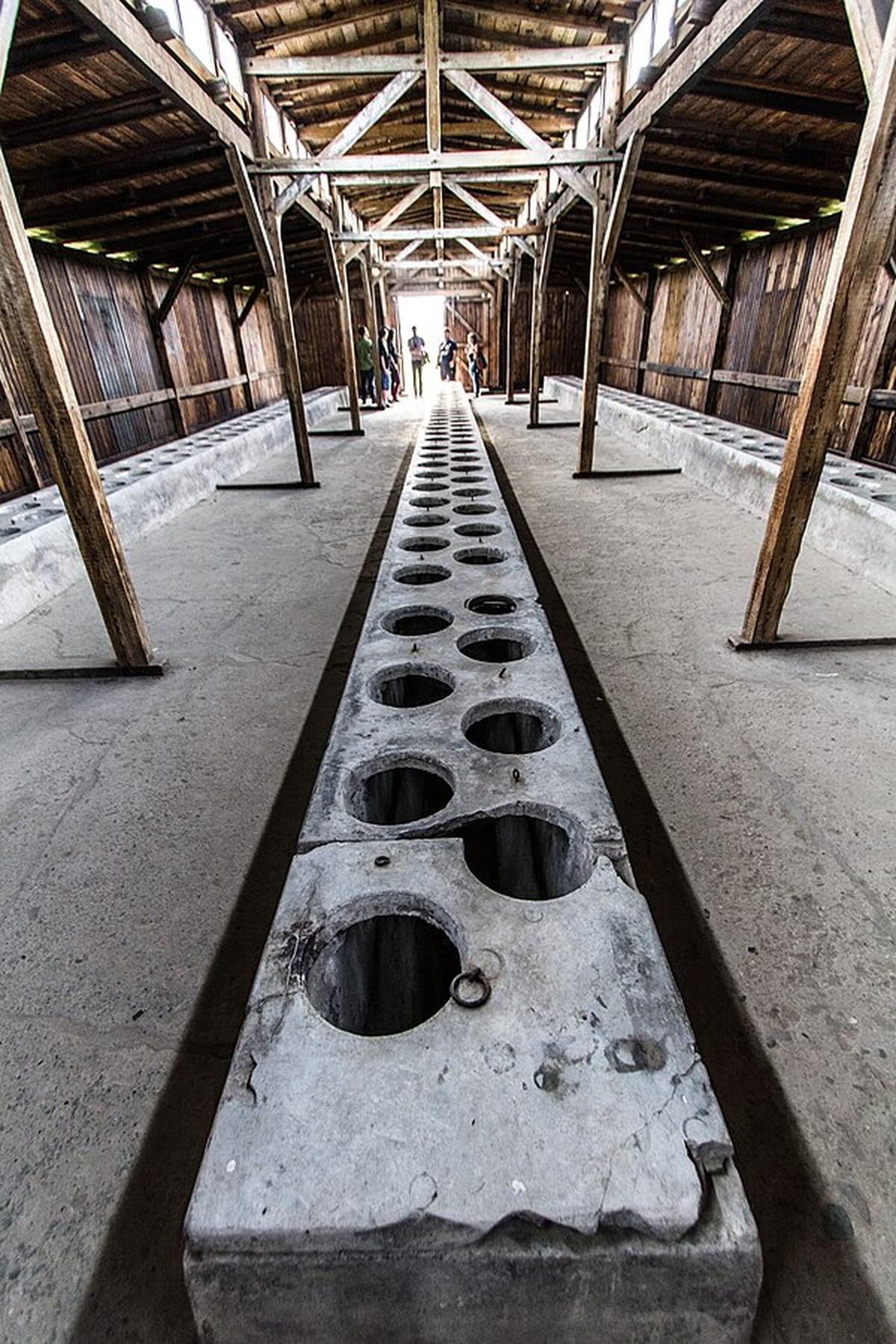
Latrine at Auschwitz-Birkenau
Cu Chi Tunnels (Vietnam)
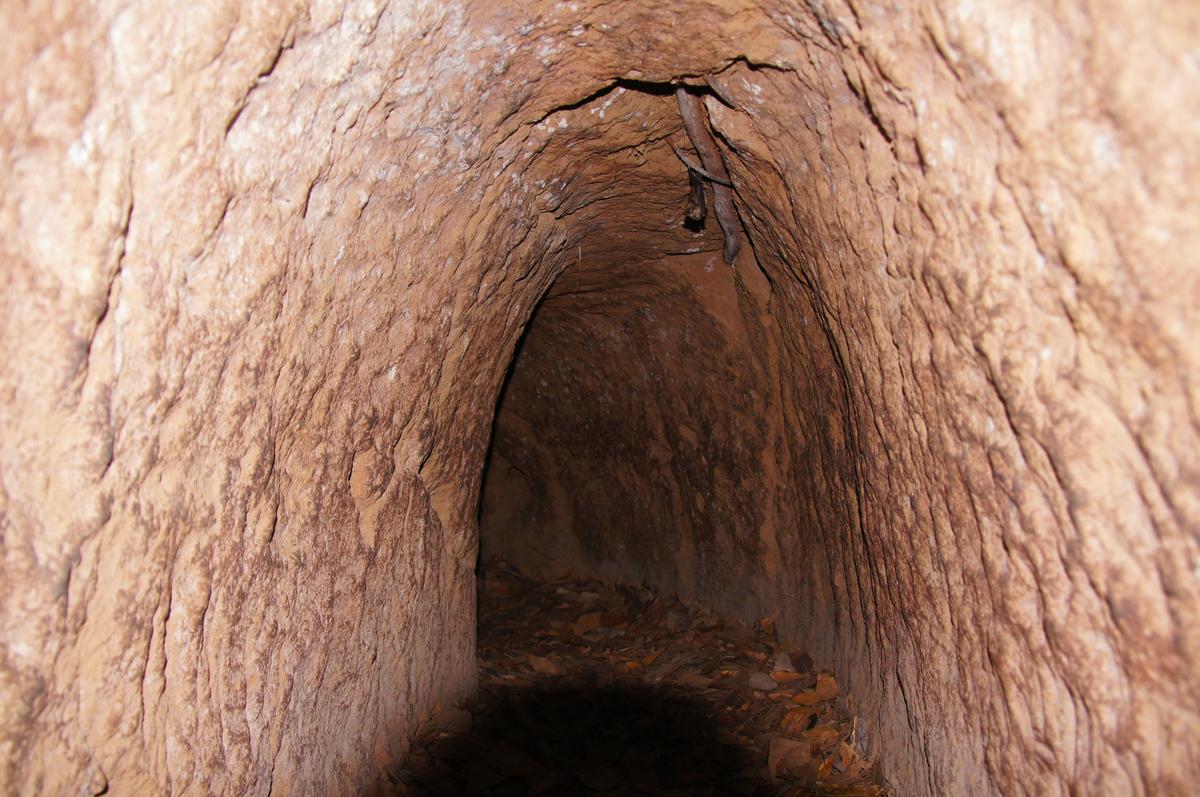
Part of an original tunnel at Cu Chi, unchanged except a chemical (petrol, according to the tour guide, although it didn’t smell like it) is sprayed inside to kill insects. There is a bat hanging from the roof of the tunnel.
The Cu Chi Tunnels, an extensive network stretching over 200 kilometres, were vital to the Viet Cong during the Vietnam War. These underground passages served as hiding spots, supply routes, and living quarters for the guerrilla forces, allowing them to evade American and South Vietnamese troops and launch surprise attacks. Located in the Cu Chi district near Saigon (now Ho Chi Minh City), the tunnels were part of a larger system used by the Viet Cong.
Today, visitors can explore sections of the tunnels, crawling through the narrow spaces to experience the harsh conditions soldiers endured. Exhibits showcase the innovative strategies and resourcefulness of the Viet Cong. To combat this, the U.S. and South Vietnamese forces trained “tunnel rats,” small-statured soldiers who navigated the tunnels to detect traps and enemy presence. At least 45,000 Vietnamese men and women died defending the Cu Chi Tunnels during the war. After the fall of Saigon in 1975, the Vietnamese government preserved the tunnels as part of a network of war memorial parks.
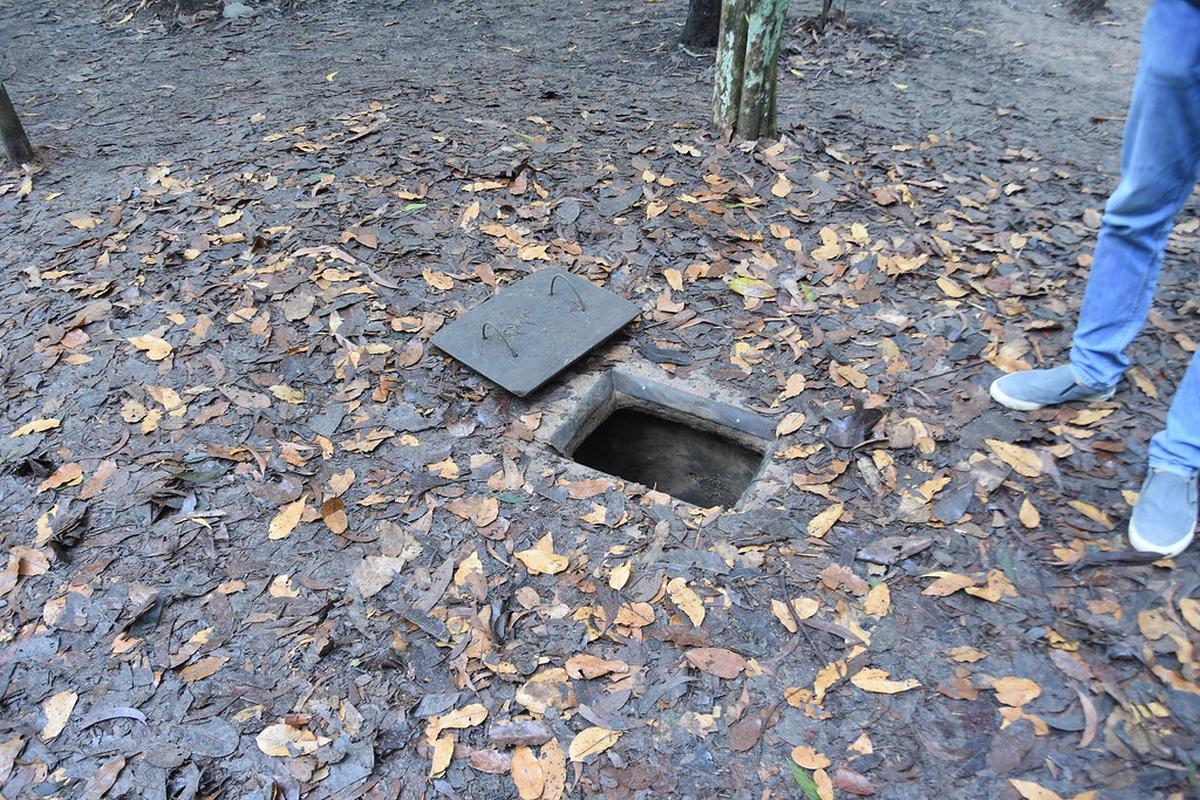

The tunnels were often rigged with explosive booby traps or punji stake pits. The two main responses in dealing with a tunnel opening were to flush the entrance with gas or water to force the guerillas into the open, or to toss a few grenades down the hole and “crimp” off the opening. The clever design of the tunnels along with the strategic use of trap doors and air filtration systems rendered American technology ineffective.
Visitors can now crawl through safer sections, view command centres and traps, fire AK-47s at a range, and even taste the simple meals that soldiers would have eaten in the tunnels.
Chernobyl Exclusion Zone, Ukraine
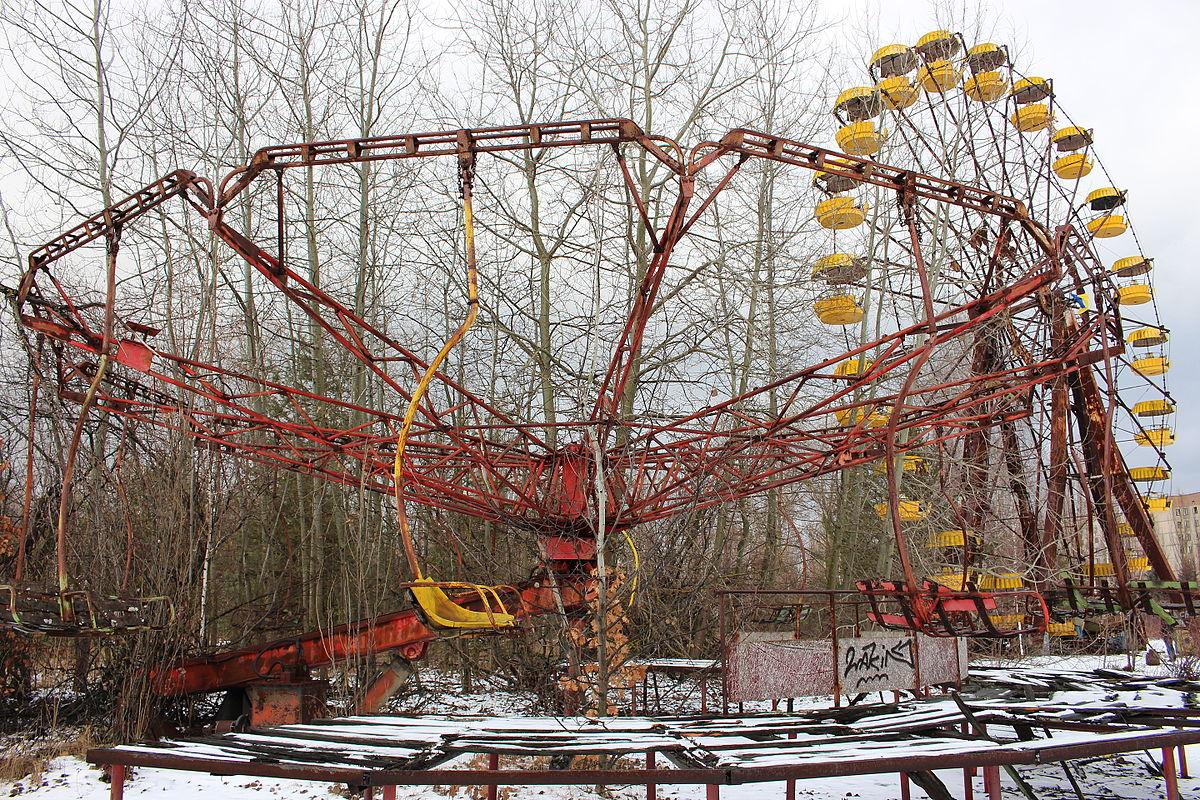
Chernobyl Exclusion Zone.
On April 26, 1986, the Chernobyl nuclear disaster struck when Reactor No. 4 exploded during a test at the Chernobyl power plant in Ukraine. The blast demolished the reactor building, releasing massive amounts of radiation into the atmosphere. This disaster forced the immediate evacuation of the nearby town of Pripyat and the relocation of approximately 200,000 people from contaminated areas. The explosion led to two immediate deaths and 28 more among emergency responders in the following months due to Acute Radiation Sickness. The explosion spread radioactive elements such as iodine, strontium, and caesium over a vast area. The radioactive fallout affected about 1,50,000 square kilometres in Belarus, Russia, and Ukraine. The exclusion zone, a 30-kilometre radius around the plant, remains largely uninhabited. The clean-up involved about 6,00,000 “liquidators,” who worked to decontaminate the area and build the sarcophagus around the reactor. Although radiation levels have decreased, the area still bears the scars of the disaster.
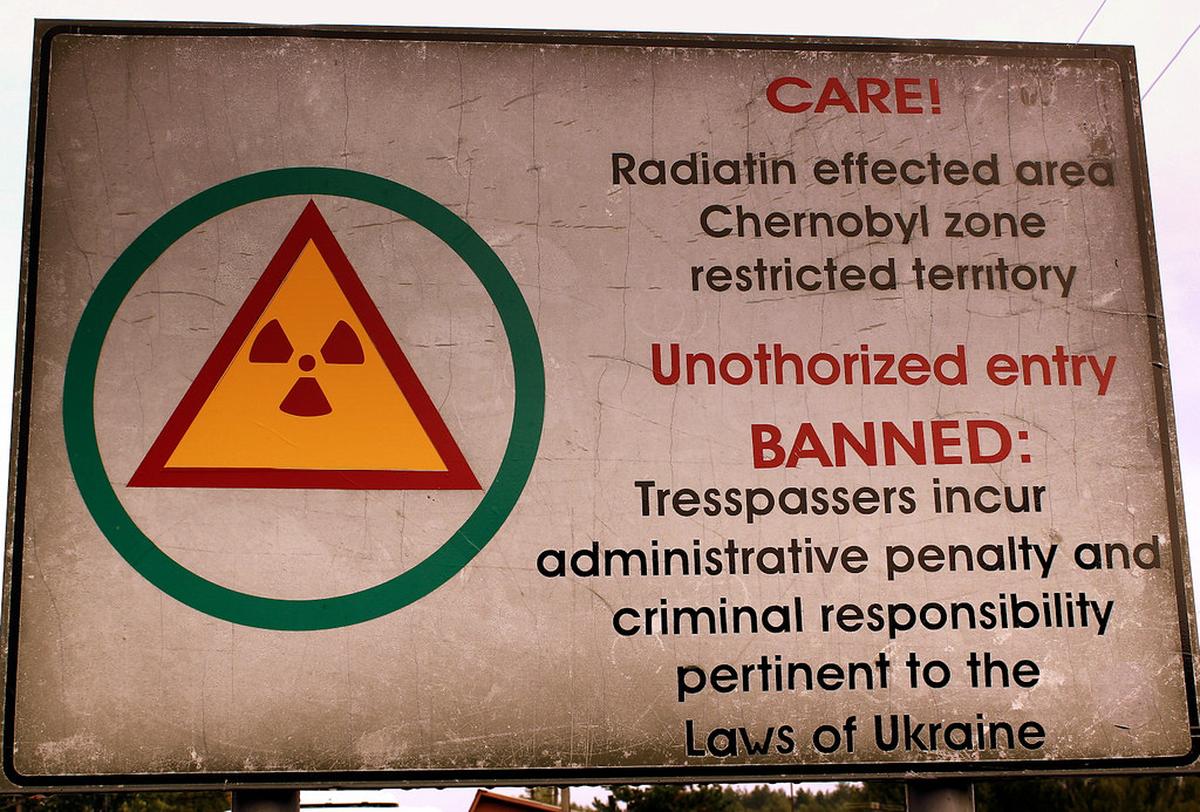
The disaster left the surrounding region largely uninhabited, forming the Chernobyl Exclusion Zone. Today, visitors can explore this eerie, abandoned landscape, including the reactor site and the ghost town of
Pripyat, which stands as a haunting reminder of the event’s profound impact. Chernobyl has become a stark symbol of environmental devastation and offers a chilling glimpse into the long-lasting effects of nuclear fallout. The abandoned buildings, schools, and homes, still frozen in time, offer a chilling glimpse into how suddenly life was interrupted by the disaster.
