



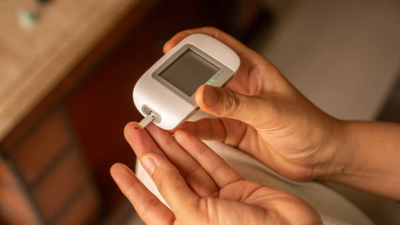
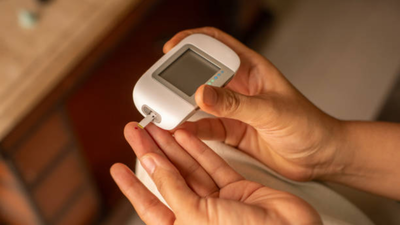
Blood sugar testing seems simple, right? You prick your finger, see a number, and know if you’re “good” or “bad.” But anyone who’s ever tried to make sense of fasting glucose, post-meal readings, HbA1c, random tests, or oral glucose tolerance tests knows it’s anything but simple. And that confusion is exactly why so many people stay in the dark about their risk for diabetes.“Glucose levels in the bloodstream change constantly throughout the day and can vary based on food and drinks consumed, activity levels, stress, and hormonal fluctuations. Because of these fluctuations, to get an accurate picture of your risk for having diabetes, long-term control of glucose, a single glucose test is not sufficient. For this reason, we recommend the following three tests, each of which will measure a different aspect of glucose metabolism, so together they create a better and more accurate picture of how efficiently the body is using glucose,” says Dr. Nandini Shankara Narayana, Consultant – Endocrinology & Andrology, KIMS Hospitals, Electronic City, Bengaluru and explains what each test result reveals and when they should be done.
What is the Fasting Blood Sugar test ?
A fasting blood glucose test measures your glucose level after fasting for 8 to 10 hours (most often, from dinner the night before until the test the next morning). This will give you a reading of how well your body can regulate glucose overnight in a steady, basal state.
- Normal: between 70 and 99 mg/dL
- Prediabetes: between 100 and 125 mg/dL
- Diabetes: 126 mg/dL or higher
The fasting blood sugar test does not reveal any spikes in blood glucose that can occur after eating.
Understanding Post-Meal (Postprandial) Sugar
A postprandial blood glucose test (PPB) is taken 2 hours after you eat a meal and will measure how well your body is able to metabolize carbohydrates from the food you ate. At the time of diagnosis, your doctor may ask for a more specific test, which is often done on a fixed glucose load, called Oral Glucose Tolerance Test (OGTT). Here the fasting glucose is measured first followed by a drink with 75 gm of glucose in it. Blood glucose is measured at 1 or 2 hours after this 75gm glucose drink.Statin pills safer than you think and most side-effects not caused by the drugs, doctors say, backed by new findings published in LancetUp to 40% of India’s colorectal cancer patients are under 40: The profile of the country’s fourth most common cancer is shiftingIs home-cooked food always healthy?
- Normal: below 140 mg/dL
- Prediabetes is defined as 140-200mg/dl
- Diabetes is defined as >200mg/dl
This test will help to identify hidden high blood glucose levels that may occur as a result of a carbohydrate meal with carbohydrates or if your body has trouble producing enough insulin. Fasting tests would not necessarily capture these problems in well-controlled diabetes because PPB is often closely correlated with HbA1c (long-term blood glucose control).
The role of the HbA1c test
The HbA1c test measures average level of blood sugar from the last 2 to 3 months by measuring how much glucose has been bound to hemoglobin in the red blood cells.
- Normal is defined as < 5.7%
- Prediabetes is defined as 5.7-6.4%
- Diabetes is defined as > 6.5%
While the HbA1c measures blood glucose over an extended period, it does not reflect daily variations. However, if you are anemic, have a hemoglobin variant, or have other medical conditions, this result may be affected.
Limitations of relying on a single test example
“The limitations of each of the tests is unique. Fasting glucose can be impacted by your body’s biological rhythms, stress, and dehydration, which can lead to false positive and false negative results. The post-prandial blood glucose test does not establish a baseline, and HbA1c may not indicate recent elevation in blood glucose levels or improvement in blood glucose levels over a short-term period of time. Repeated testing or confirmation using multiple methods may be recommended (e.g., fasting glucose and HbA1c) prior to making the diagnosis of diabetes,” explains Dr. Nandini Shankara Narayana.
Why the use of all three tests are important
Utilization of fasting, post-prandial, and HbA1c test measurements together reflect the inherent “roller-coaster” nature of blood glucose changes as a result of food intake, medications, sleep, and exercise. In early diabetes, post-prandial blood glucose raise can constitute a greater portion of the HbA1c than fasting blood glucose; therefore, all three tests are critical for effective management and prevention of complications (e.g., heart disease, nerve damage, kidney failure), the doctor says. People with diabetes have had success managing their diabetes because of the effective use of monitoring FBG, PPBG, and HbA1c to provide personalized and individualized diabetes care.
Simple ways to ensure you get accurate test results
The doctor recommends the right way to do each test:
- Fast for at least eight hours before taking an FBG test.
- Check your PPBG, test 2 hours after eating.
- Your doctor should discuss your glucose level and discuss how your age, medications, and other health conditions affect your target numbers.
- You should focus on the long term when you make changes to your lifestyle or treatments to make decisions based on glucometers.
“Using a mixed method of testing means providing an accurate diagnosis, improving your glucose control, and reducing your chance of complications associated with diabetes, which makes it the most dependable method for your overall health and quality of life,” recommends the doctor. Medical experts consulted This article includes expert inputs shared with TOI Health by:Dr. Nandini Shankara Narayana, Consultant – Endocrinology & Andrology, KIMS Hospitals, Electronic City, BengaluruInputs were used to explain why three blood sugar tests are important to determine the progress of diabetes.
