




Sophie ParkerWest of England

 Bristol Zoological Society
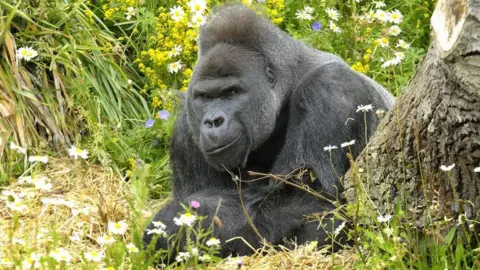
A zoo has said intruders are posing a risk to its gorillas after a video circulated online from someone who had broken in and filmed the animals.
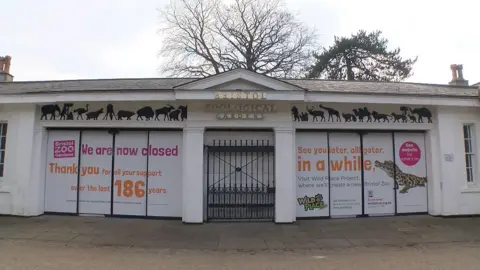
The Bristol Zoo Gardens in Clifton closed to the public in 2022 with animals gradually being moved to the larger Bristol Zoo Project.
But the zoo said its gorilla colony remained being cared for by keepers at the closed site while work was completed on their new enclosure.
It said speculation about the gorillas had led to more break-ins, with the animals suffering distress due to the triggering of its intruder alarms.
A spokesperson for the zoo said: “As well as their team of keepers, the gorillas see vets, other zoo staff, students, researchers and zoo supporters throughout each week.
“When they are moved over to their new African Forest home, we will be gradually introducing visitors to get them used to seeing the general public again.”
But footage shared in online posts and by the media have expressed concern the animals appear lonely and abandoned and have been seen “banging on windows” at their enclosure.
Bristol Zoo Project said the posts had led to “misinformation” with “untrue and inflammatory information about the gorillas”.
 Bristol Zoo, CGI produced by Blackpoi
It said: “Despite us responding to these claims with the facts, the misinformation has been widespread and led to concern about the welfare of the gorillas.
“Our heightened security has ensured trespassers haven’t been able to get near to the gorillas, but each time someone breaks in, our alarm system is triggered, which distresses the gorilla troop.
“It often leads them to miss sleep, which disrupts their routine and leaves them groggy and lethargic. This is interrupting the training our team is providing to get them ready for their move to Bristol Zoo Project in a few months’ time.
In a video posted by the Bristol Zoo Project on social media, two of the keepers also address the concerns.
They say the gorillas do not have the same facial expressions as humans and that interactions with each other, rather than people, are more important.
